
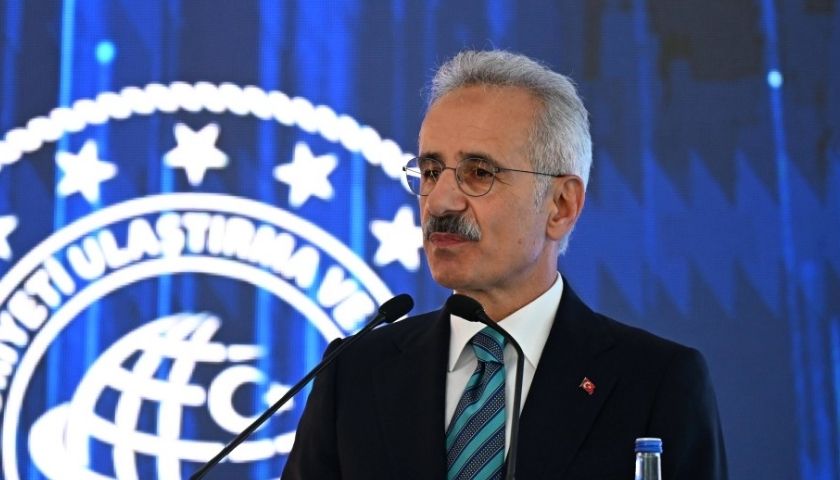
Türkiye Minister Uraloğlu warns disruptions in key maritime corridors threaten global energy and shipping markets
At the International Day of the Seafarer event in Ankara, Türkiye’s Minister of Transport and Infrastructure, Abdulkadir Uraloğlu, highlighted the critical role of the Strait of Hormuz in global trade and warned of escalating risks to international maritime stability.
Strait of Hormuz: The World’s Maritime Pressure Point
“Recent tensions in the Strait of Hormuz have once again reminded us just how vital secure and uninterrupted maritime corridors are,” Uraloğlu stated. “Following the events since June 13, we’ve seen a 15% spike in Brent oil prices and nearly a 10% increase in LNG costs. The Baltic Dry Index dropped by 5%, and insurance premiums for tankers in the region soared by 300%.”
Minister Uraloğlu emphasized that such sharp economic fluctuations result from a single flashpoint, proving how global energy flows and trade logistics are closely tied to maritime security.
Türkiye Calls for Cooperative Maritime Diplomacy
“Straits like Hormuz aren’t just regional chokepoints—they’re a shared responsibility,” Uraloğlu said. He noted Türkiye’s commitment to playing a constructive role in stabilizing strategic sea lanes through diplomacy and cooperation. Türkiye is set to host a major Global Transport Corridors Forum this Friday, with participation from over 70 countries, further reinforcing its geopolitical position at the crossroads of trade.
Maritime Trade Drives Global Economy
Uraloğlu also cited that in 2024, 88% of global cargo was transported via sea, reaching over 12.6 billion tons. In Türkiye, 86% of foreign trade relies on maritime shipping, with national ports handling over 531 million tons of cargo this year. “This is not just logistics—it’s the lifeblood of our interconnected economies,” he added.
Investments in Maritime Education and Workforce
Addressing the growing needs of the sector, Uraloğlu announced reforms in maritime certification and training, including reducing the English proficiency exam score requirement and recognizing vocational maritime school credentials for exemptions. The reforms aim to strengthen Türkiye’s human capital in maritime sectors and support over 141,000 active seafarers.
Seafarers Are the Pillars of Stability
“Whether in the Strait of Hormuz or the Bosphorus, our seafarers are on the frontlines of global trade,” Uraloğlu said. “We trust in the skills and dedication of the Türkiye maritime community and will continue to support their growth and international recognition.”
The Minister concluded by reminding that Türkiye ranks 11th in global maritime fleet tonnage and is recognized by 38 countries for its seafaring qualifications. With over 1 million amateur mariners certified, Türkiye is also nurturing a strong civilian maritime culture.
Keywords: Strait of Hormuz, maritime trade security, global shipping, Türkiye maritime policy, Abdulkadir Uraloğlu, LNG prices, oil prices, Baltic Dry Index, maritime corridors, Türkiye seafarers

